2026 Diablo Trust Annual Meeting: Changing Landscapes for Ranching in the American West
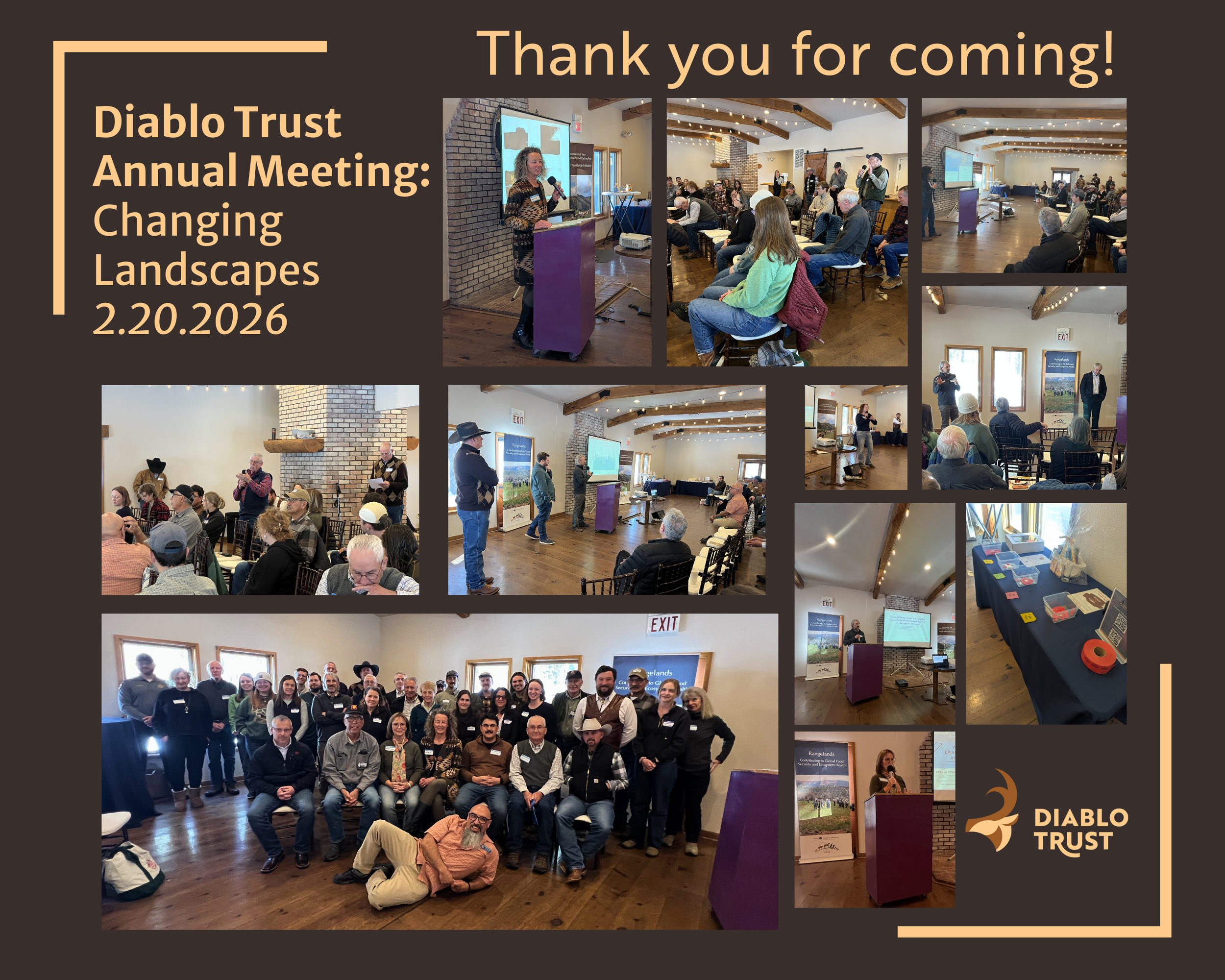
Thank you for coming!
Thank you for braving the winter weather to join us for our Annual Meeting last week! This year’s theme, “Changing Landscapes for Ranching in the American West,” grounded us in both lived experience and research.
We reflected on the changes we’ve seen locally across our landscapes and management practices, with valuable insights shared by Flying M and Bar T Bar ranches. We also learned from researchers at the University of Arizona, Dr. Mike Crimmins and Dr. Trevor McKellar, as they walked us through broader climate patterns across the Southwest, highlighting how temperature and precipitation trends have shifted over time. They shared how climate reports and data tools can help land managers better understand these changes and make informed decisions.
Dr. Matt Reeves, a Rangeland Ecologist with the U.S. Forest Service, shared a long-term perspective on vegetation changes, among others, sharing trends since the 1980s. He discussed what these trends mean for rangeland management and introduced several new tools designed to support adaptation and guide management under evolving conditions.
For us, there were a few key takeaways from all these speakers:
Climate and vegetation are changing, and these changes impact our landscapes, ranches, and management and stewardship practices and outcomes.
There are tools that can help us better understand these changes, like climate reports and historical trend data, as well as tools that can help us make more informed decisions. But we need to continue fine-tuning these tools and getting them into the right hands so they can truly support on-the-ground management.
We know that addressing changing conditions will require us to be creative, adaptive, and innovative. The best way Diablo Trust knows how to do that, based on 30 years of working together, is to roll up our sleeves, get creative with our community, learn together, and try new things.
Consider this your call to join us in this work!
Read more about the meeting and find the presentations and resources shared by the speakers below:
2025 Diablo Trust Recap & Upcoming Events
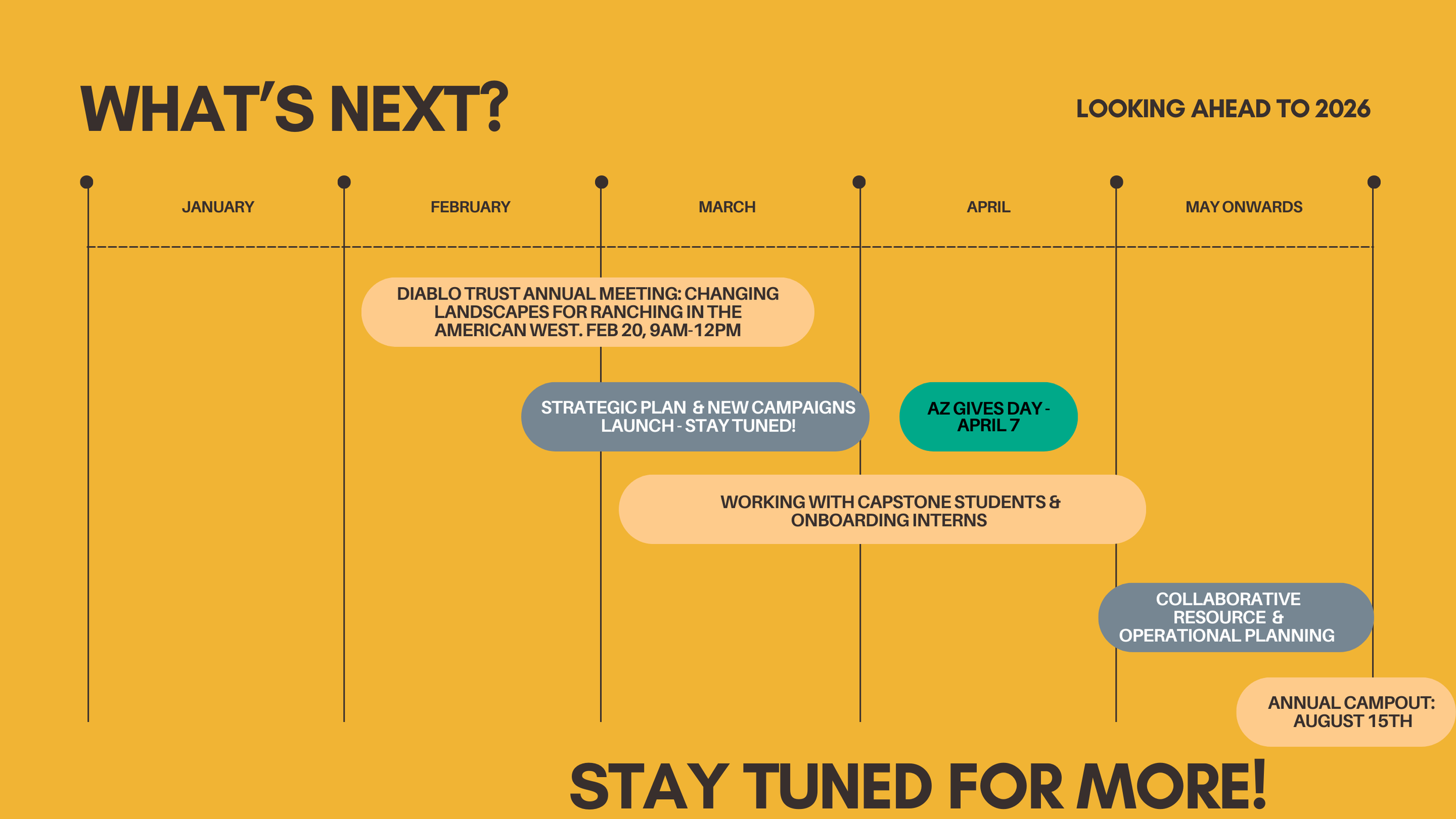
We kicked off our Annual Meeting with a look back at the progress Diablo Trust made in 2025 and a look ahead at where we’re going next. You can find the presentation by clicking here.
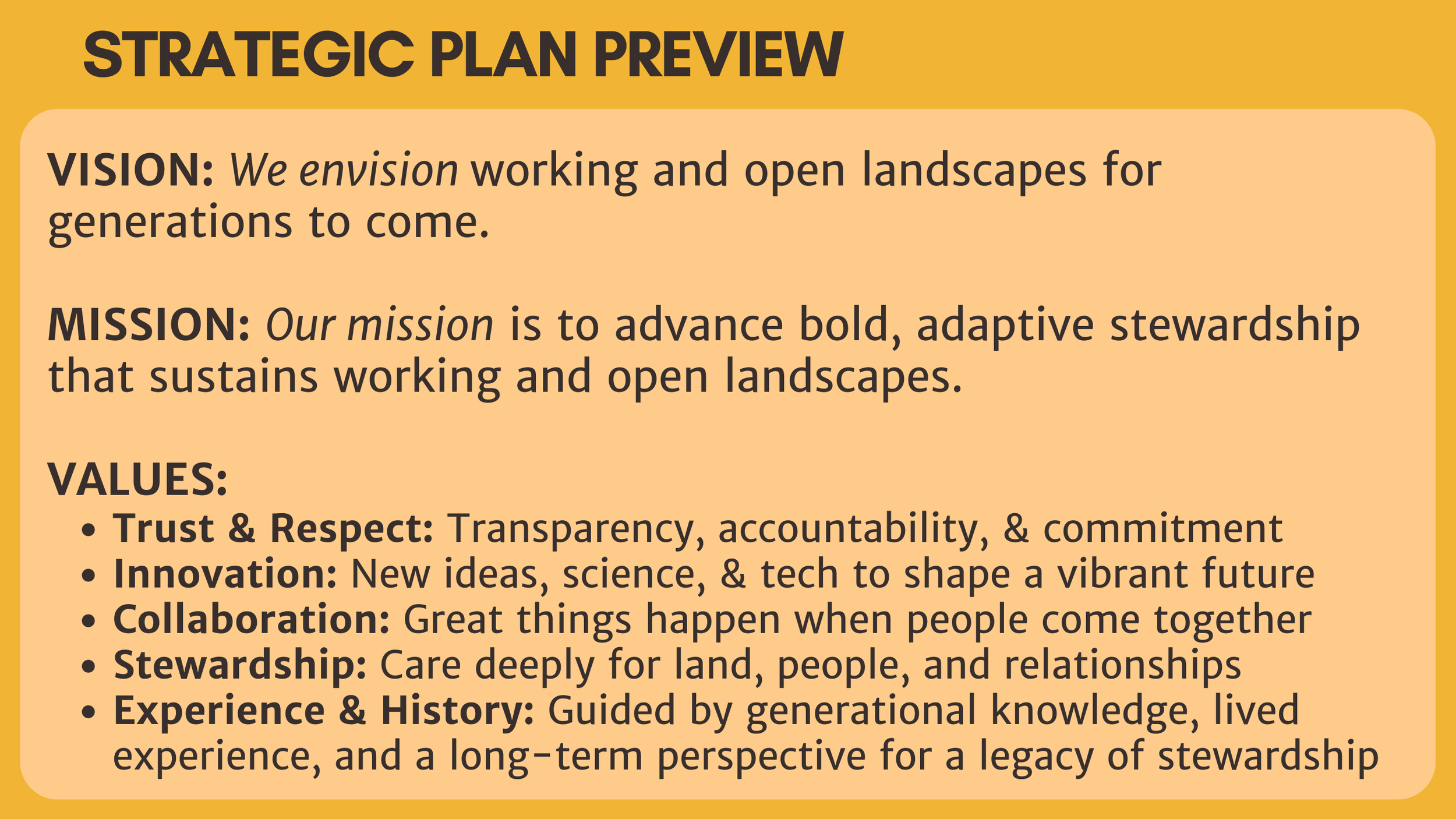
We were particularly excited to share that last week, our Board officially approved a new strategic plan that will guide Diablo Trust into its next chapter. Thanks to everyone who supported the plan’s development by sharing your perspectives in our surveys! We hope that you see your ideas reflected in the plan.
In the coming weeks, we’ll share more details as we roll out new programs and the campaigns that support them. Be sure to check out the plan preview in the photo below, and stay tuned for upcoming opportunities to get involved!
Local Changes: Reflections from Bar T Bar and Flying M
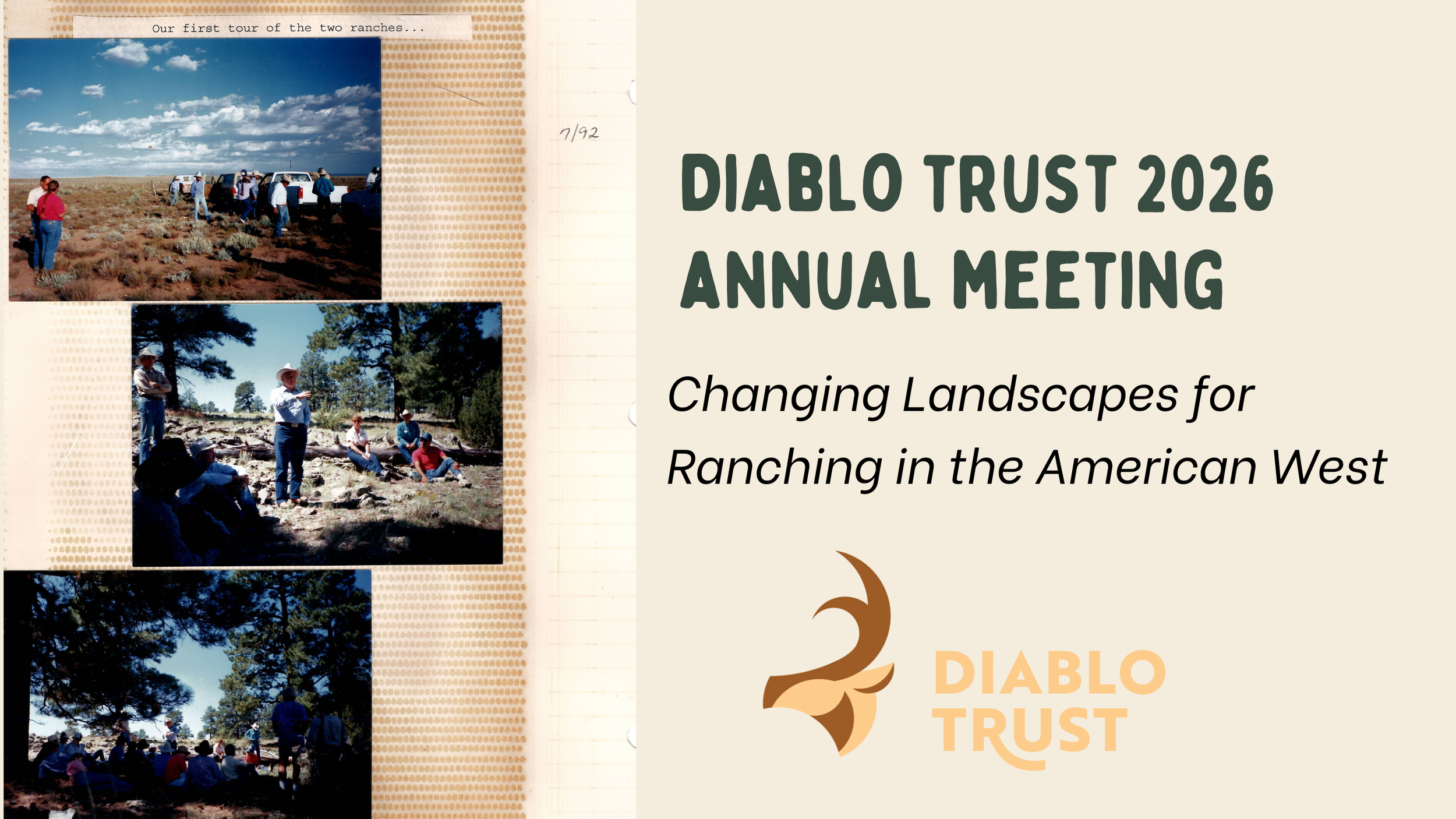
The Diablo Trust Ranches, Flying M and Bar T Bar, shared their own reflections about the changes they’ve seen out on the land and in practice in northern Arizona. We reflected on these changes by looking at historic photos from the ranches, which you can find by clicking here.
Key takeaways included:
The landscape has changed over time; in the past, there were many fewer people and fewer trees in the area of the ranches. Both ranches shared stories about a lack of trees in the landscape, limiting shade and cover from monsoonal lightning. At one point, the largest fire on the land was just about 100 acres. What a change!
Ranching practice has changed over time, too. In this area, there was once greater use of sheep, but now the focus is primarily on cattle. At one point, ranching focused primarily on the cattle. Now, cowboys need to consider the cattle, the landscape and its ecology, and technology to successfully manage operations.
To be successful in practice, you have to adapt to these changing conditions. We have a large set of tools in our toolbox (e.g., technology, grazing practice, management tactics), and we need to be adaptable and bold in how we apply them.
Tracking Climate Change and Variability Across the Southwest
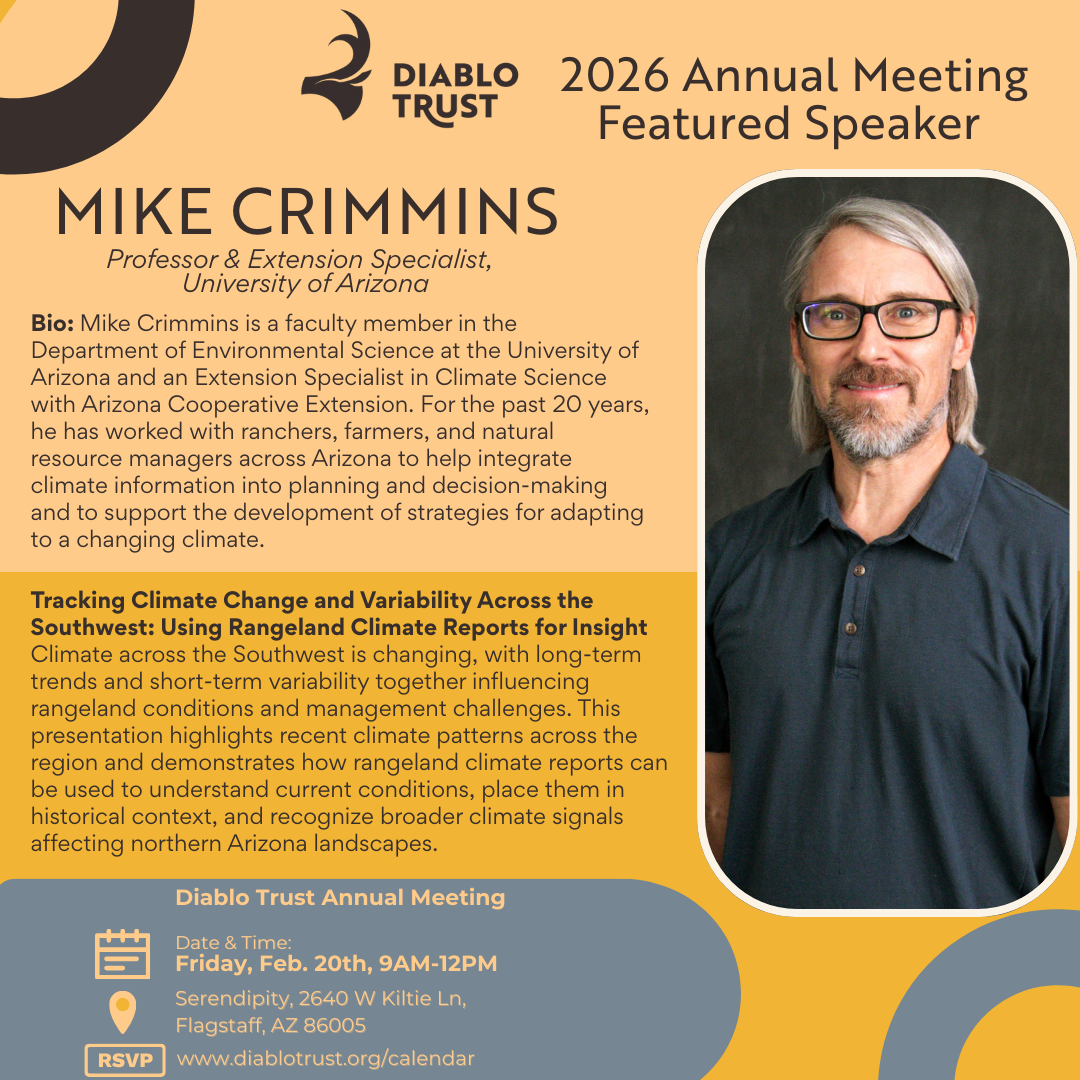
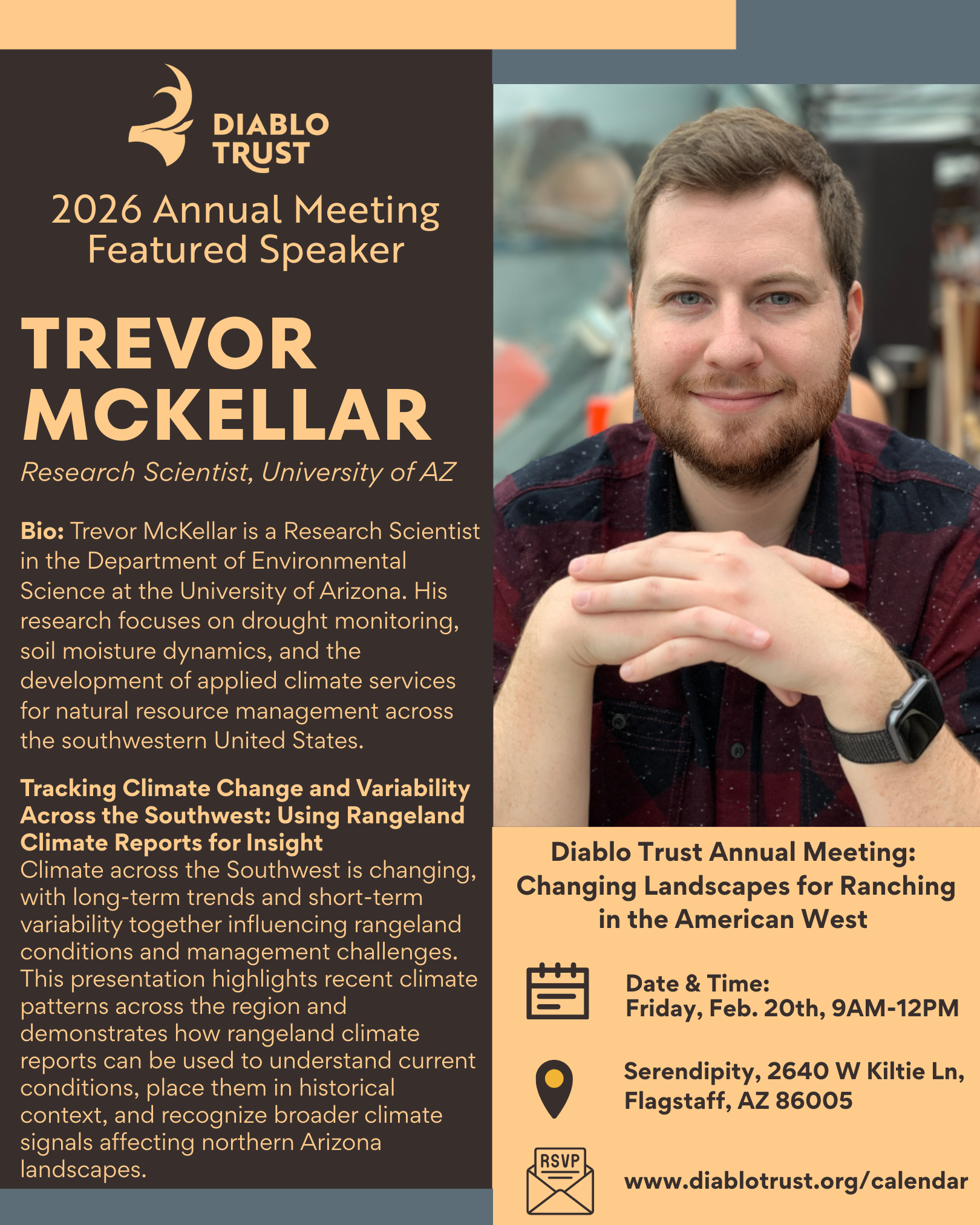
Our featured speakers from the University of Arizona, Mike Crimmins and Trevor McKellar, spoke about their work in applied climate services, making climate data accessible and informative for management. They presented their climate reports, including the results for the data they gathered for the Diablo Trust land area.
You can review their presentation by clicking here.
Interested in learning more about their work? You can also review their Climate Report Project Page here: https://cales.arizona.edu/climatereports/
Evaluating Influential Status & Trends of Western Rangelands
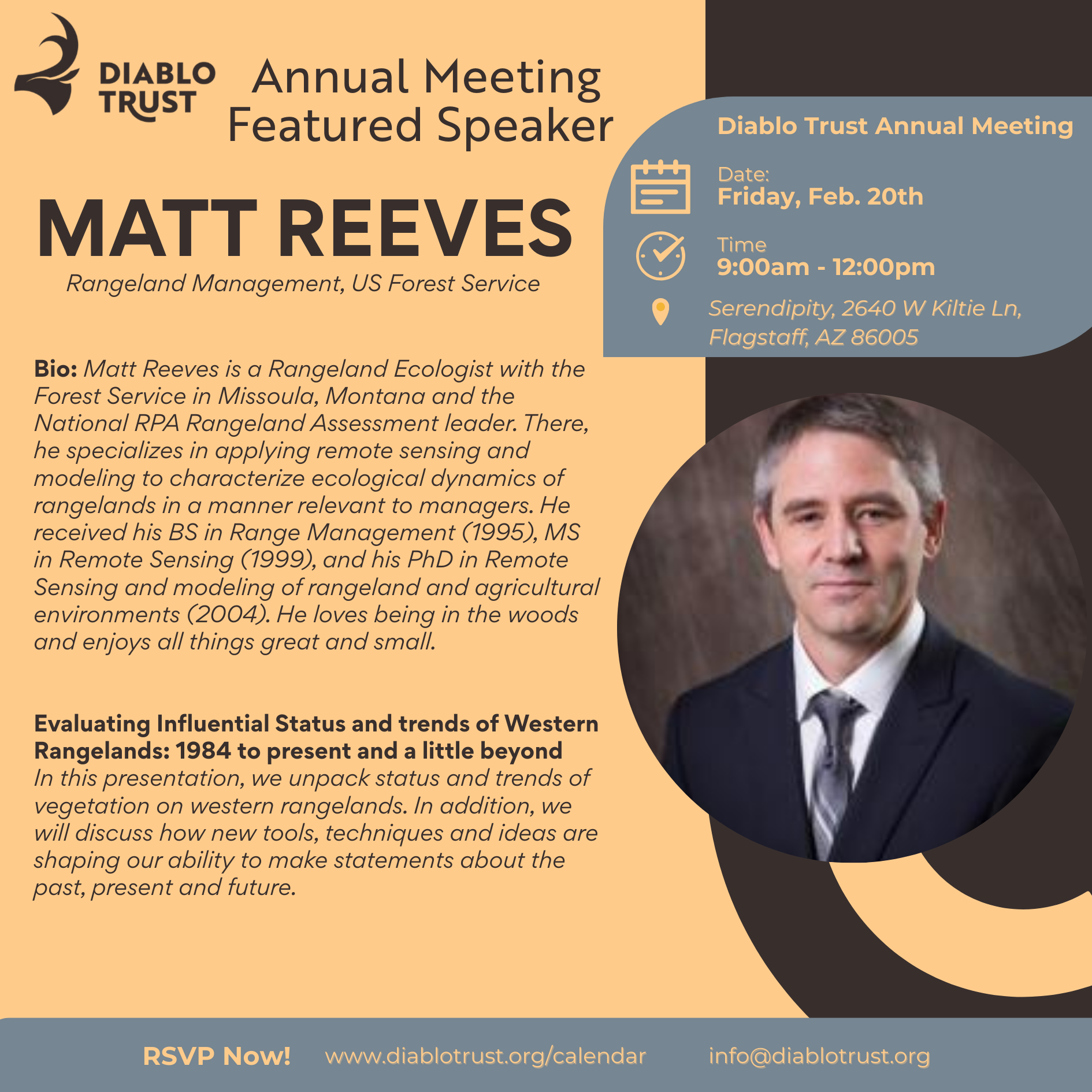
Matt Reeves, a Rangeland Ecologist working with the National Office of the US Forest Service, shared the results of his work analyzing changes in vegetation since the 1980s and new resources and tools for management into the future. You can find his presentation by clicking here.
Matt shared a few useful resources in his presentation, which you can explore by clicking the links below:
The Forest Service is hosting two virtual workshops on Targeted Grazing THIS WEEK on February 24th and 25th. Targeted grazing is an emerging strategy that uses specific livestock at strategic times to reduce wildfire fuels and influence ecological trajectories in non-forest landscapes. To learn more and register, follow these links for each day of the workshop:
Stock Smart: A decision support tool for grazing management in a variable and changing world. Learn more here.
Landscape Explorer from Working Lands for Wildlife: Allows you to find a location and examine changes in conditions ~50 years ago compared to today’s conditions using satellite imagery. Use the tool here.
USDA Beef Industry Plan: The US Department of Agriculture recently released a new plan related to grazing and the beef industry. Read the plan here.
Thank you, Sponsors!
Thank you for being such an essential part of our community!
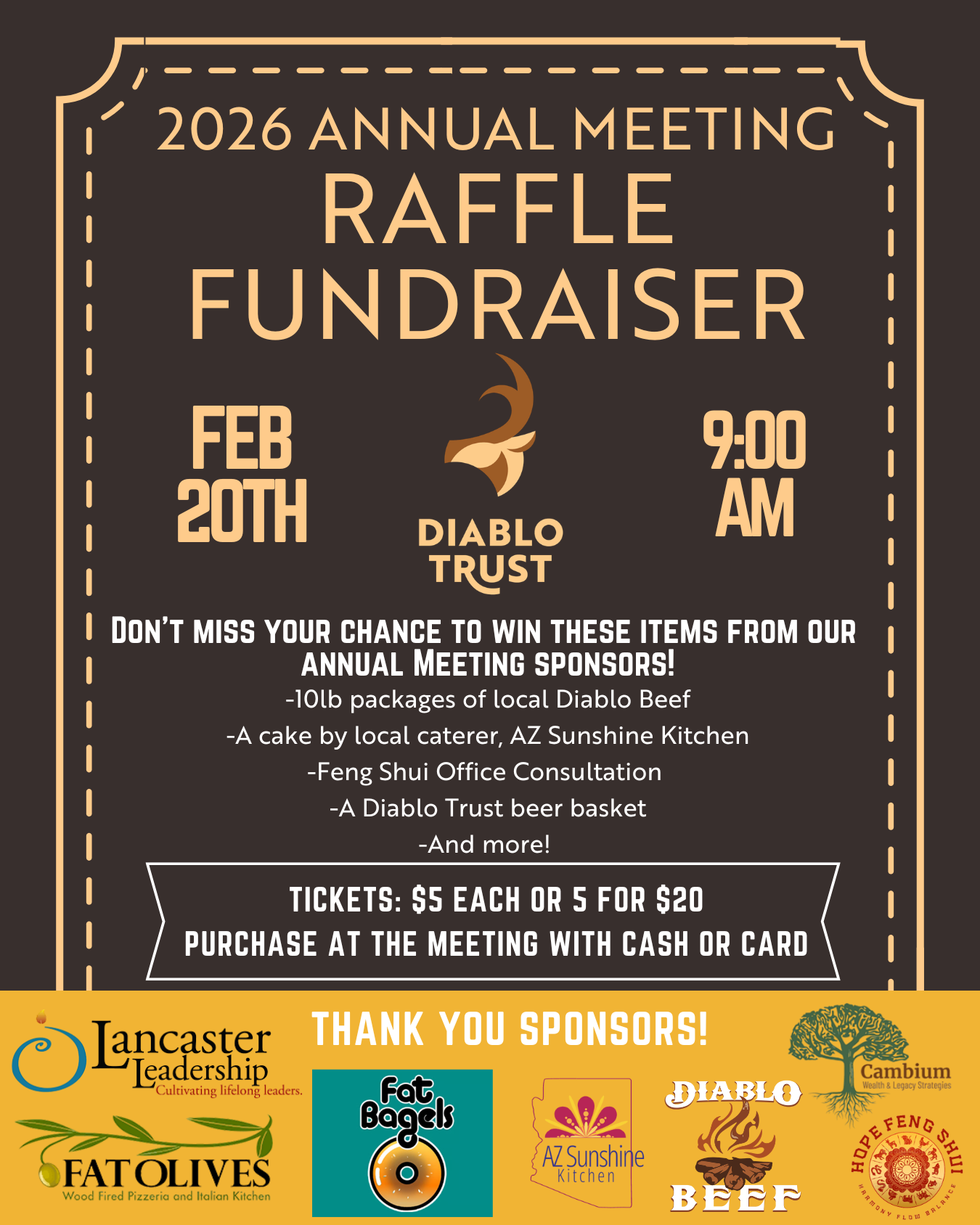
None of what we do would be possible without the generosity of our donors and sponsors. We are deeply grateful to the businesses and individuals who supported this event through financial sponsorships and raffle contributions, and to everyone who participated in the raffle. Your support not only made this event a success, but also helps sustain our work throughout the year.