Film Screening at Mother Road Brewing: Land in the Balance
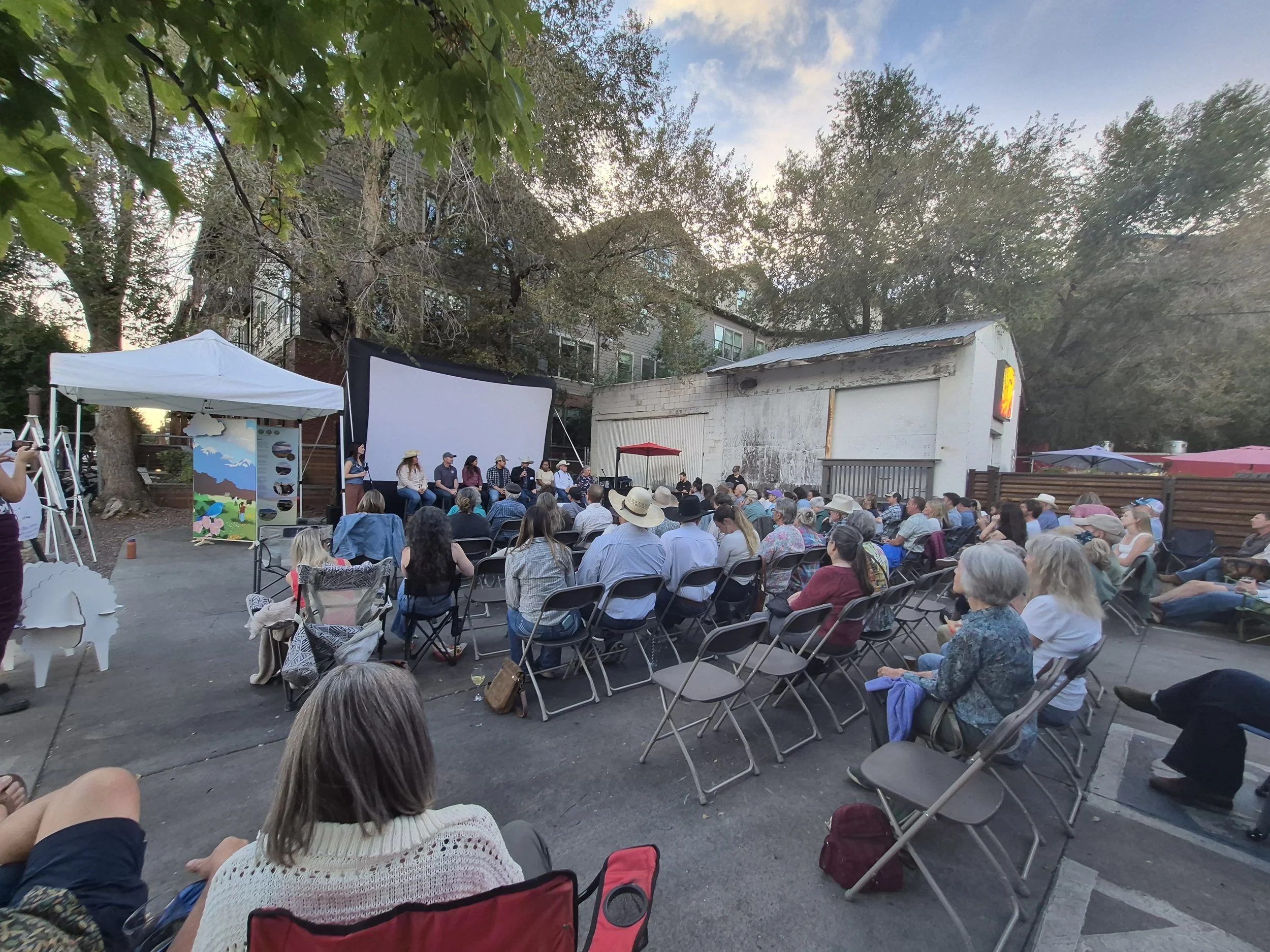
Film Screening of Land in the Balance: Stories from the American Rangelands - What a Night!
We're feeling incredibly grateful to everyone who helped make last weekend's film screening such a success. A huge thank you to Mother Road Brewing for hosting us, to our panelists for sharing their expertise, and to everyone who came out to share this experience with us.
Who ended up coming
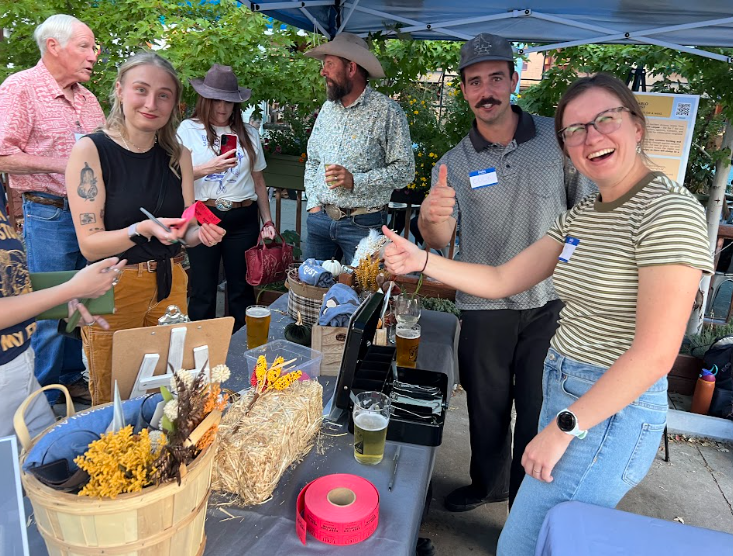
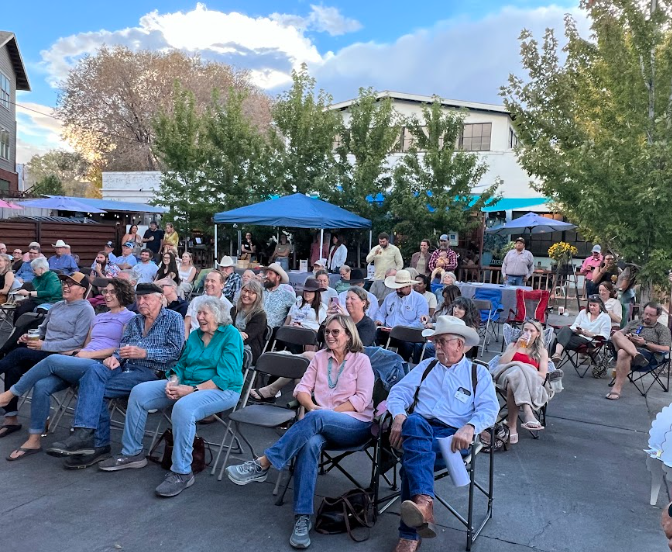
This event turned out to be a wonderful opportunity to bring together people from a wide range of perspectives. We welcomed over 100 attendees- from Flagstaff locals to folks travelling in from Washington, Texas, and across Arizona. The crowd included ranchers, agency representatives, UA Cooperative Extension staff, as well as those who had spent time on rangelands but never considered their broader significance.
What we’re taking away
Something that we are taking away from the film and panel discussions are that rangelands are far from being just drive-by landscapes. Rangelands are dynamic, diverse ecosystems that support all sorts of life- both those that live within these systems and those outside them. In addition to the biodiversity relying on rangeland habitat, these areas provide ecosystem services that extend well beyond the rangeland itself- just one example of this mentioned in the film being supporting pollinator populations that then can benefit areas elsewhere. These lands also often hold a profound significance to the people who steward them, a value that may supersede an area's economic valuation. Lastly, we can't forget that healthy rangelands create healthy food, underscoring the connection between healthy lands and healthy people.
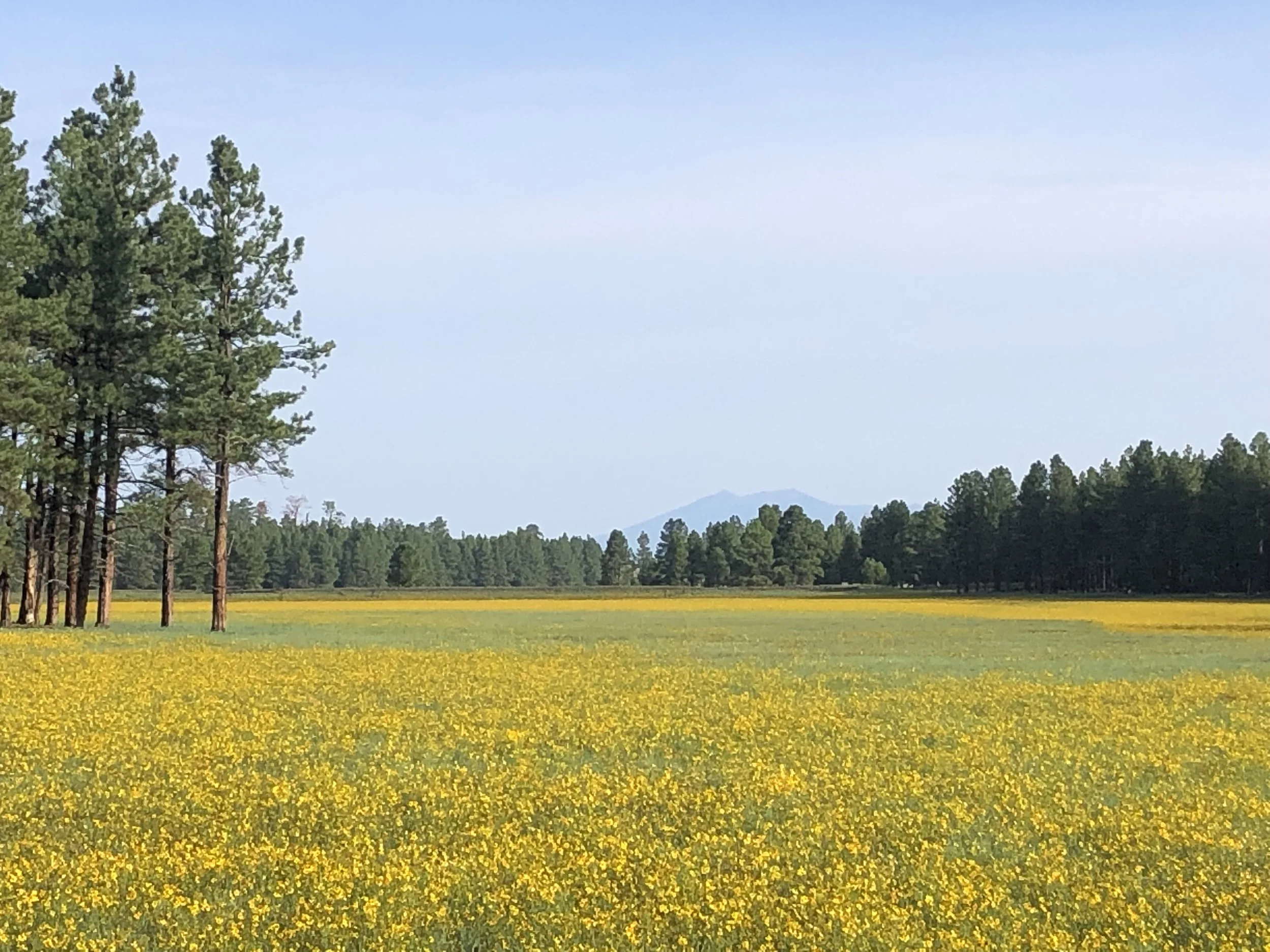
“The reason it’s there is that it is managed. These are not drive through lands, they are working lands.”
A second takeaway is a deeper appreciation for the role of those who steward the land. Often achieving desired landscapes requires active stewardship, and most ranchers are well versed in managing for land health. This management is an art rather than any one-size-fits all prescription, as there are no two years that are the same, and ranchers are always learning from the land. As Bob puts it: “Ranchers may be managers, but the reality is that they are students of the land.” This type of management requires an understanding of the land and an immense amount of work in order to provide the benefits that rangelands represent to the broader public.
A third takeaway is the amount of innovation ranchers are employing. One example discussed in the film, and now being piloted on local ranches, is virtual fencing. This technology allows ranchers to respond to changing conditions and adjust grazing areas reactively, rather than being limited by fixed infrastructure. It may also support targeted grazing to reduce invasive species, making this a more accessible tool for managers addressing threats to land health.
A few things stand out looking forward. The first is that we need dynamic, collaborative policy that allows ranchers to respond to ever changing conditions and implement new tools. The second is that rangeland management is so much more interdisciplinary than it may seem, further emphasizing the importance of collaborative approaches. And third, to put it simply: rangelands and those who steward them are incredibly important. We should invest in the future of these systems through youth involvement and long-term planning, to carry this work into generations to come.
Finally, this event (along with the International Year of Rangelands and Pastoralists more broadly) is a hopeful sign of growing awareness around these themes: that rangelands and ranchers are groups to be appreciated and celebrated, that these are legacies worth continuing and values worth upholding.
Whatever you took away from the event, we hope you'll share it with those who weren't able to attend.
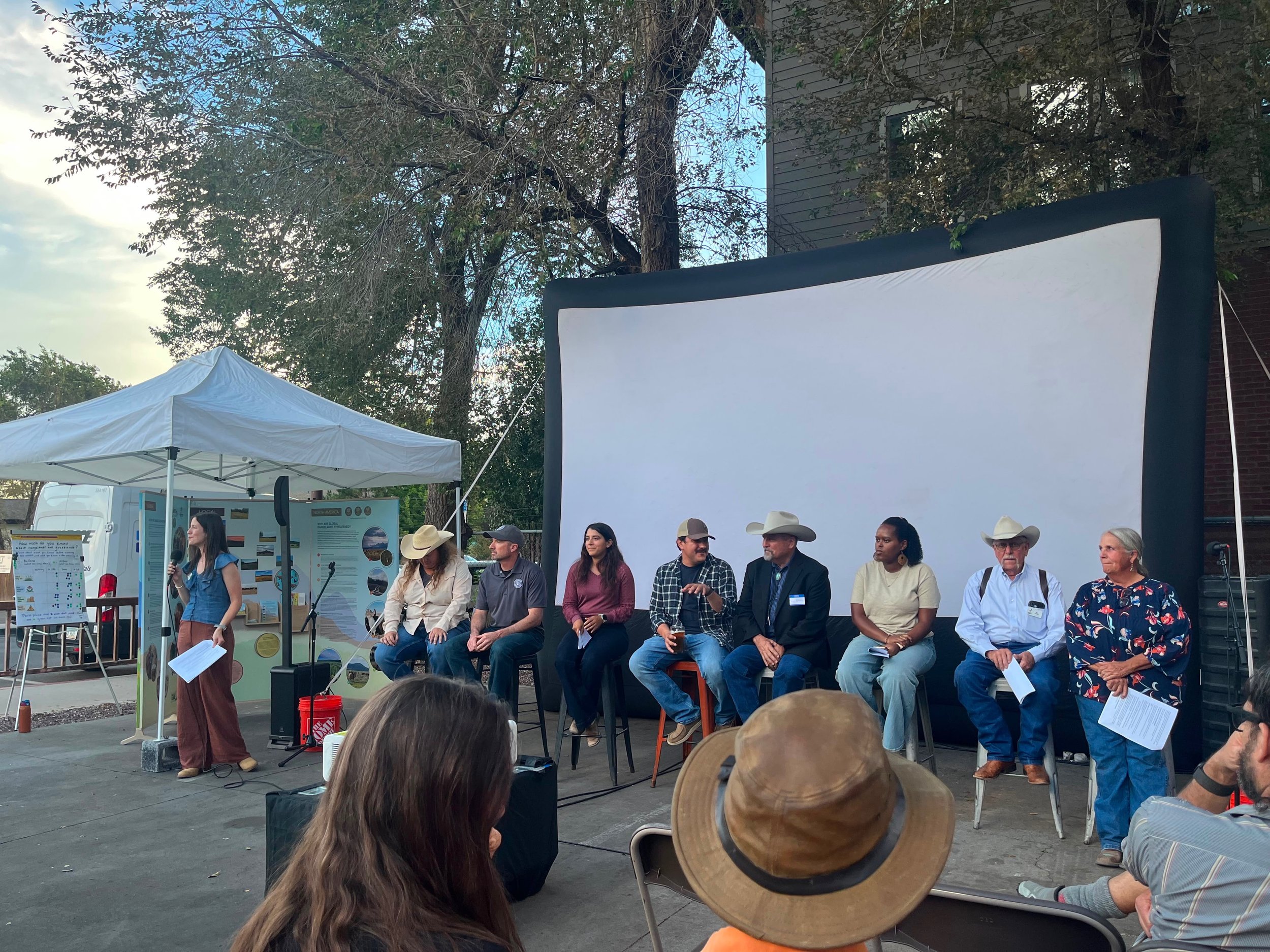
Panelists: Bob Prosser (Bar T Bar Ranch), Bochola Sara Arero (ASU & APYI), Doug Tolleson (Texas A&M AgriLife Research station and T-Jag Range & Livestock LLC ), Flavie Audoin (UA Cooperative Extension), Joey Dahms (AZ SRM), Kit Metzger (Flying M Ranch), Sarah James (AZ SRM), Tim Holt (AZGFD).
Feedback
For those who attended, please share your feedback on the film before it is posted publicly using this link: https://uarizona.co1.qualtrics.com/jfe/form/SV_e8Whtl4JCV8Rgns
We’ll share the documentary link when it is posted, after incorporation of your feedback! In the meantime, you can check out the film website here! https://americanrangelandsmovie.org/
If you are new to Diablo Trust, you can stay up to date with upcoming events on our calendar and support our work by donating at the link below!